

LA TRASFORMAZIONE DEL TURISMO
Come ogni settore, anche il turismo cambia. Cambiano la società, le nuove generazioni, le abitudini, il clima e il modo di viaggiare. Per questo, una destinazione deve saper interpretare il proprio tempo e costruire nuove strategie.
A Cefalù, invece, il turismo è ancora organizzato secondo modelli del passato. Nel 2026 continuiamo a spendere denaro pubblico per riempire le piazze con concerti di artisti come Michele Zarrillo. Non è una critica all’artista, ma al modello: qual è il vero risultato turistico, culturale ed economico di queste manifestazioni?
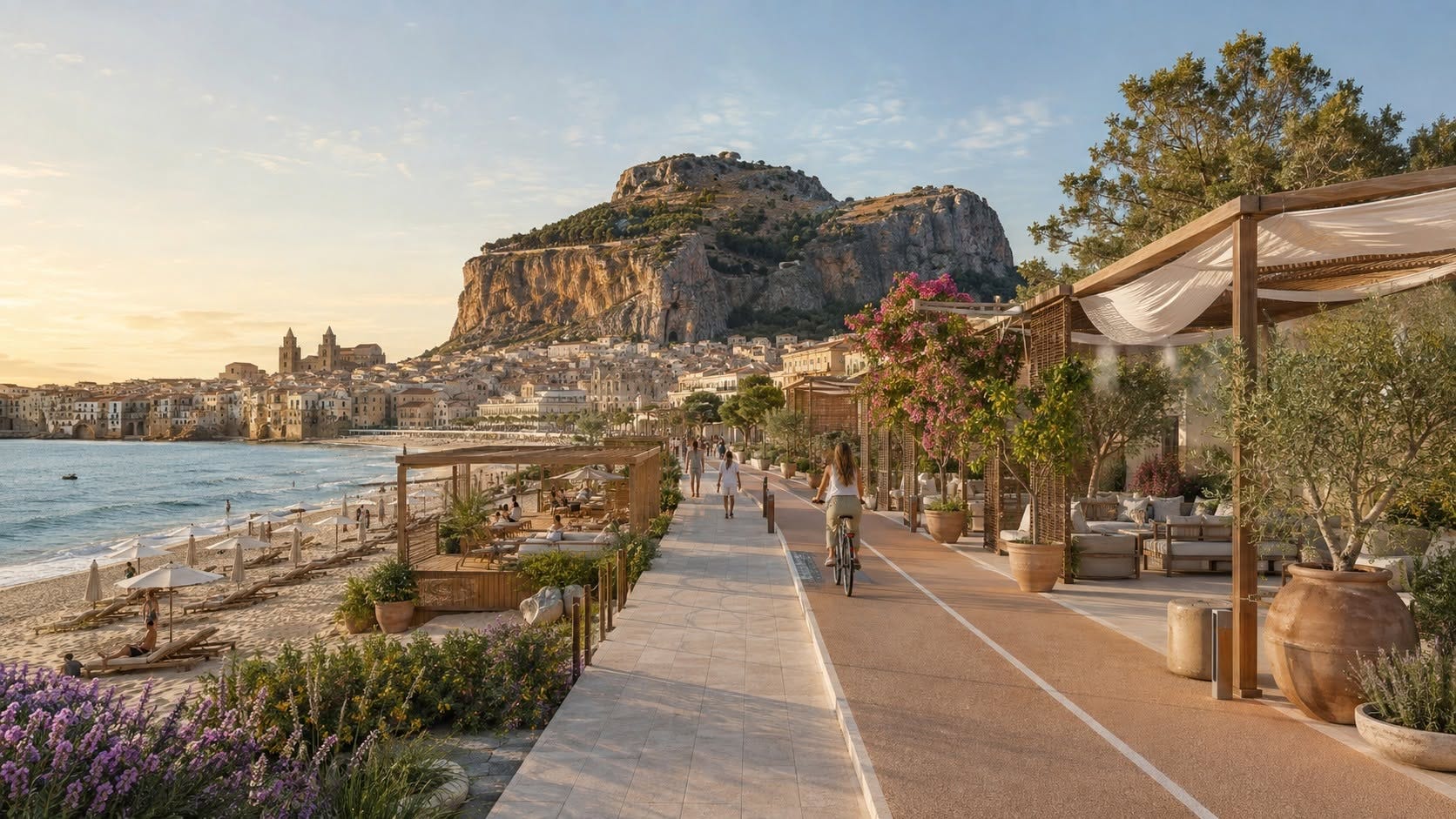
Cefalù ha una vocazione diversa da quella dei paesi limitrofi. È una destinazione internazionale e deve alzare il livello della propria offerta. Deve diventare una città elegante, ordinata e accogliente, dove sia piacevole passeggiare senza subire il traffico, lo smog, il rumore e le code di auto. Il turista deve essere conquistato non soltanto dal mare e dal Duomo, ma anche dalla qualità dei servizi e dal grado di civiltà che incontra.
Serve una regia capace di programmare l’estate con largo anticipo: pochi eventi, ma di qualità e con un vero richiamo internazionale. Arte, musica, teatro, cinema, cultura ed enogastronomia devono raccontare insieme l’identità di Cefalù.
La nostra città non può ospitare un numero illimitato di persone. L’obiettivo non deve essere aumentare ulteriormente le presenze, ma creare maggiore valore: meno turismo “mordi e fuggi”, soggiorni più lunghi, visitatori più interessati al territorio e una redditività maggiore per le imprese. Anche la comunicazione deve cambiare. Vedere ancora, per la Festa del Santissimo Salvatore, locandine che sembrano provenire dagli anni Ottanta dimostra quanto sia necessario rinnovarsi. Difendere la tradizione non significa rimanere fermi nel passato.
Molte attività cefaludesi hanno già investito e compiuto un importante salto di qualità. Adesso deve farlo anche la programmazione pubblica.
Il futuro di Cefalù non si costruisce riempiendo occasionalmente una piazza, ma attraverso una visione capace di unire turismo, cultura, mobilità, ambiente e qualità della vita. Cefalù deve smettere di inseguire soltanto i numeri e iniziare finalmente a creare valore.